Vegetable Stock
Vegetable stock is full of flavour and can be easily made by simmering vegetables and herbs in water, before draining them to reveal a lovely golden stock that can be used in soups, stews, sauces, gravies, risottos, pot pies or even to cook grains and pasta.
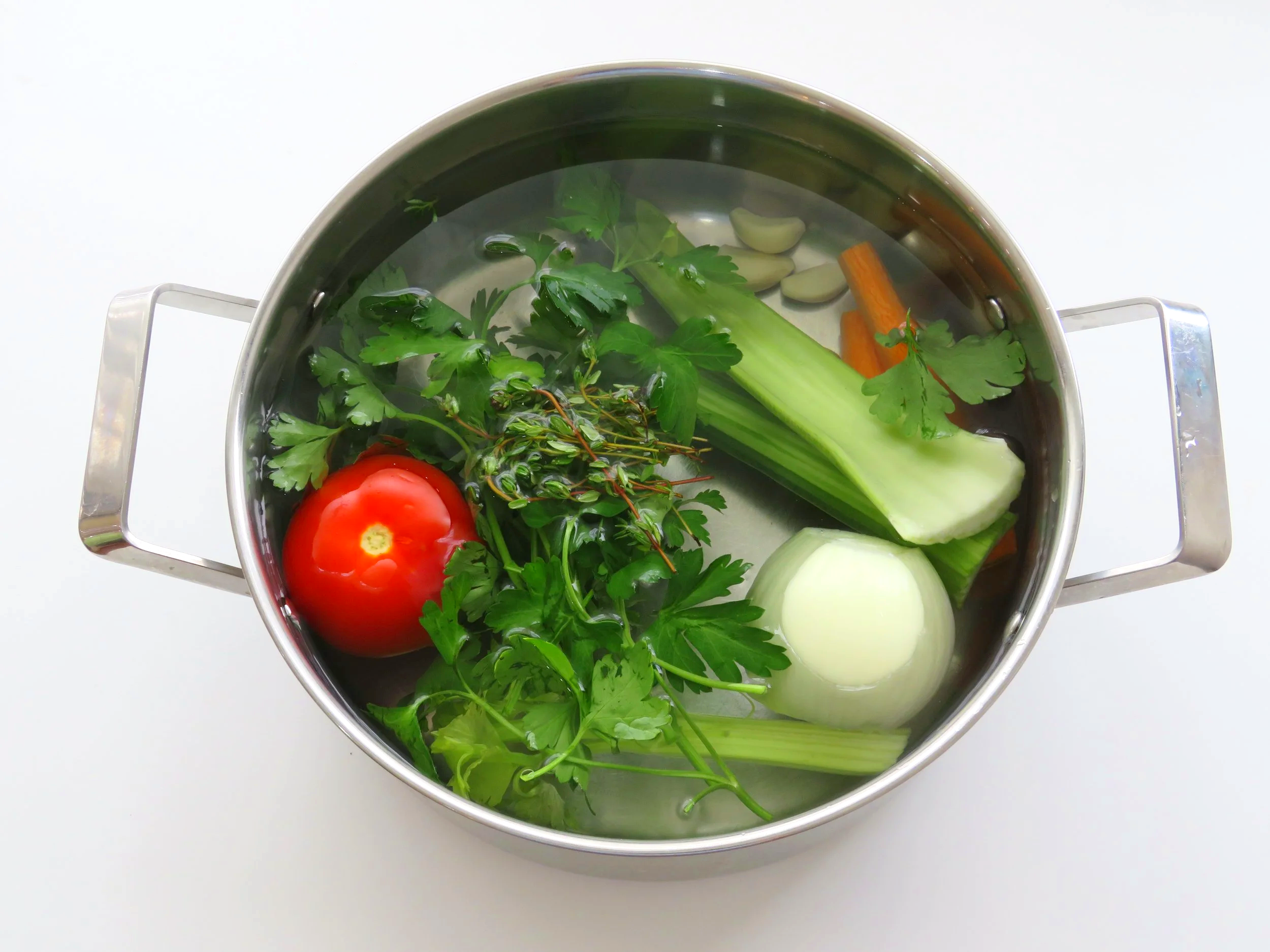
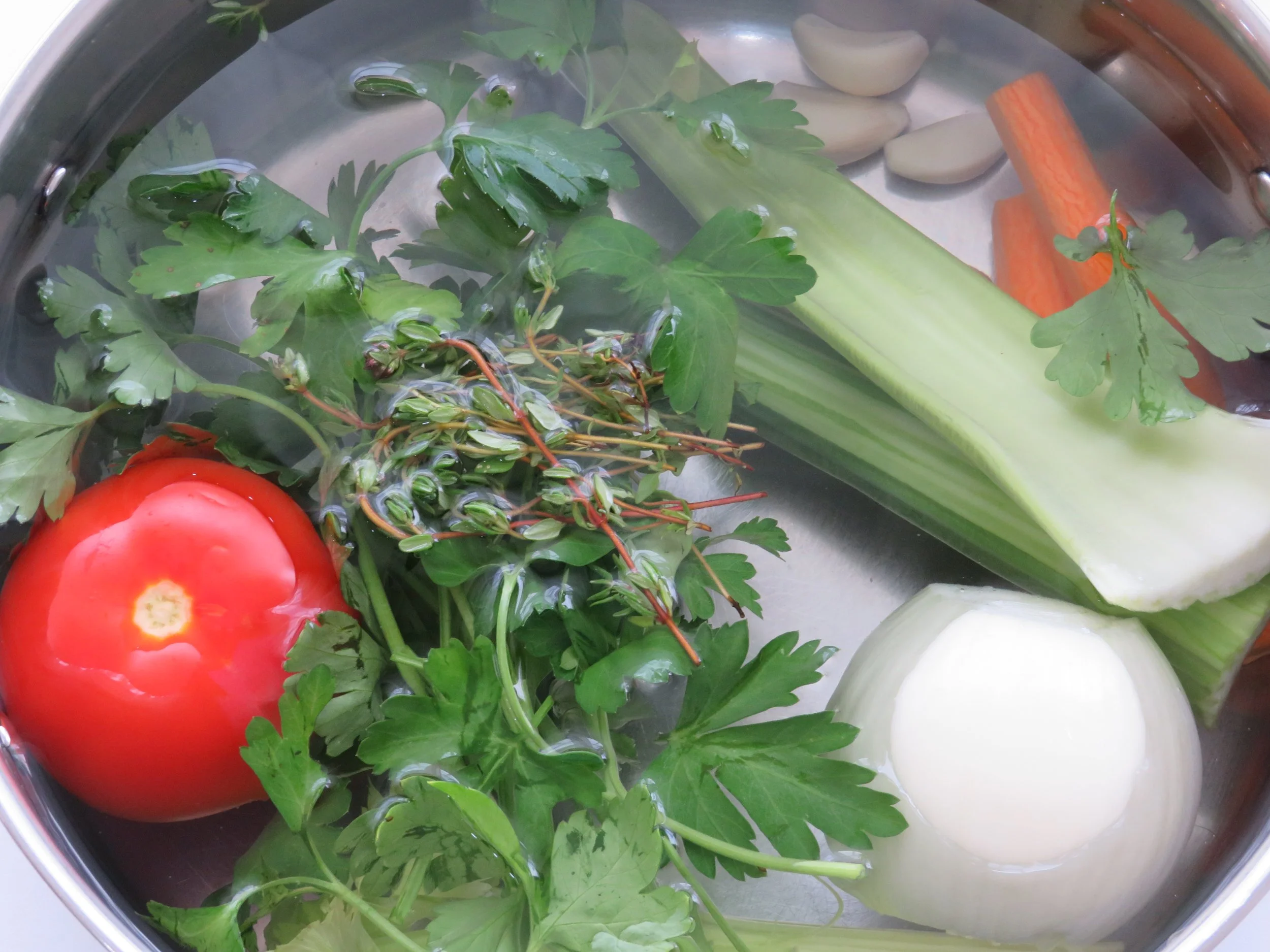
Vegetable stock before cooking
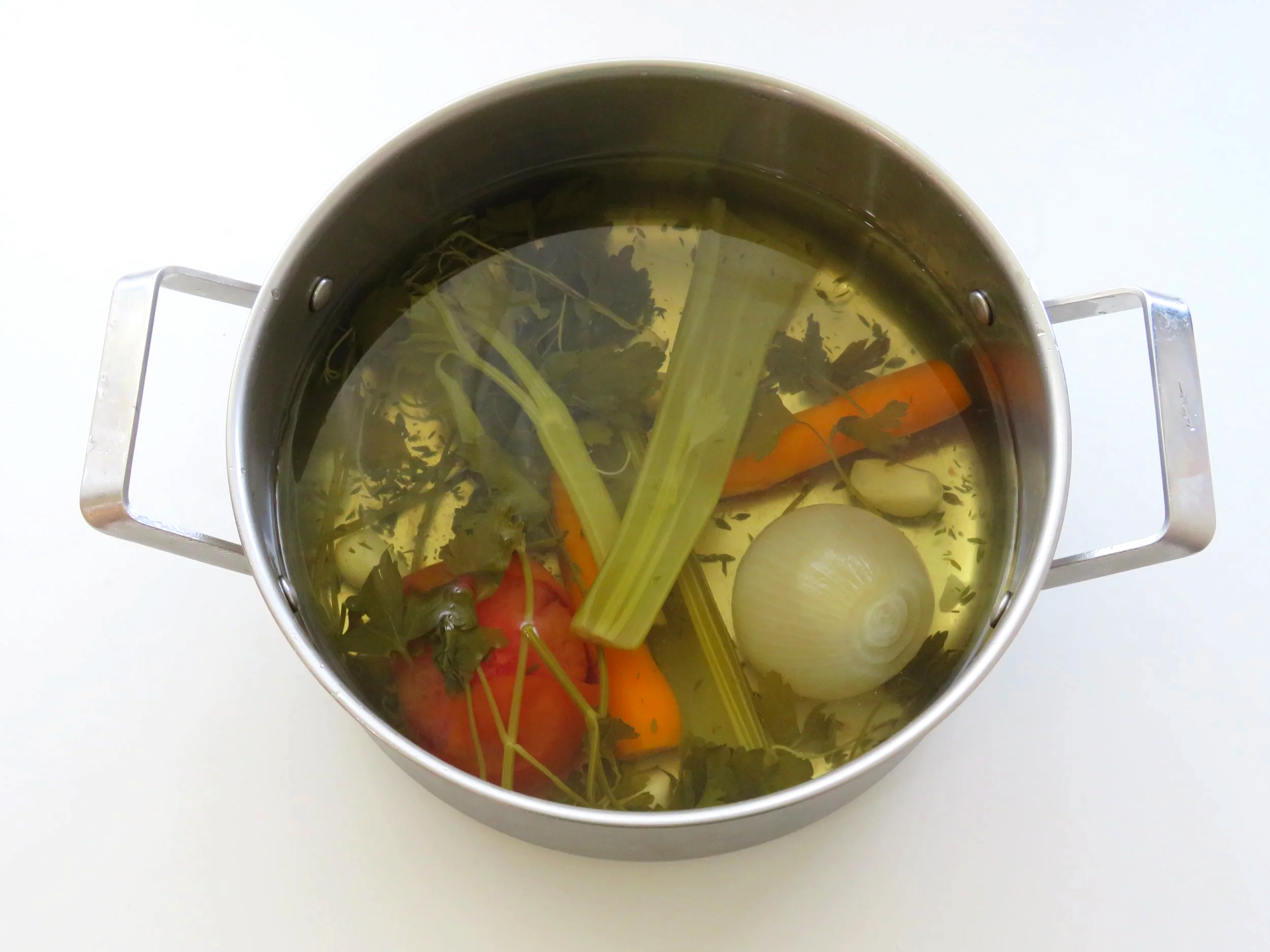
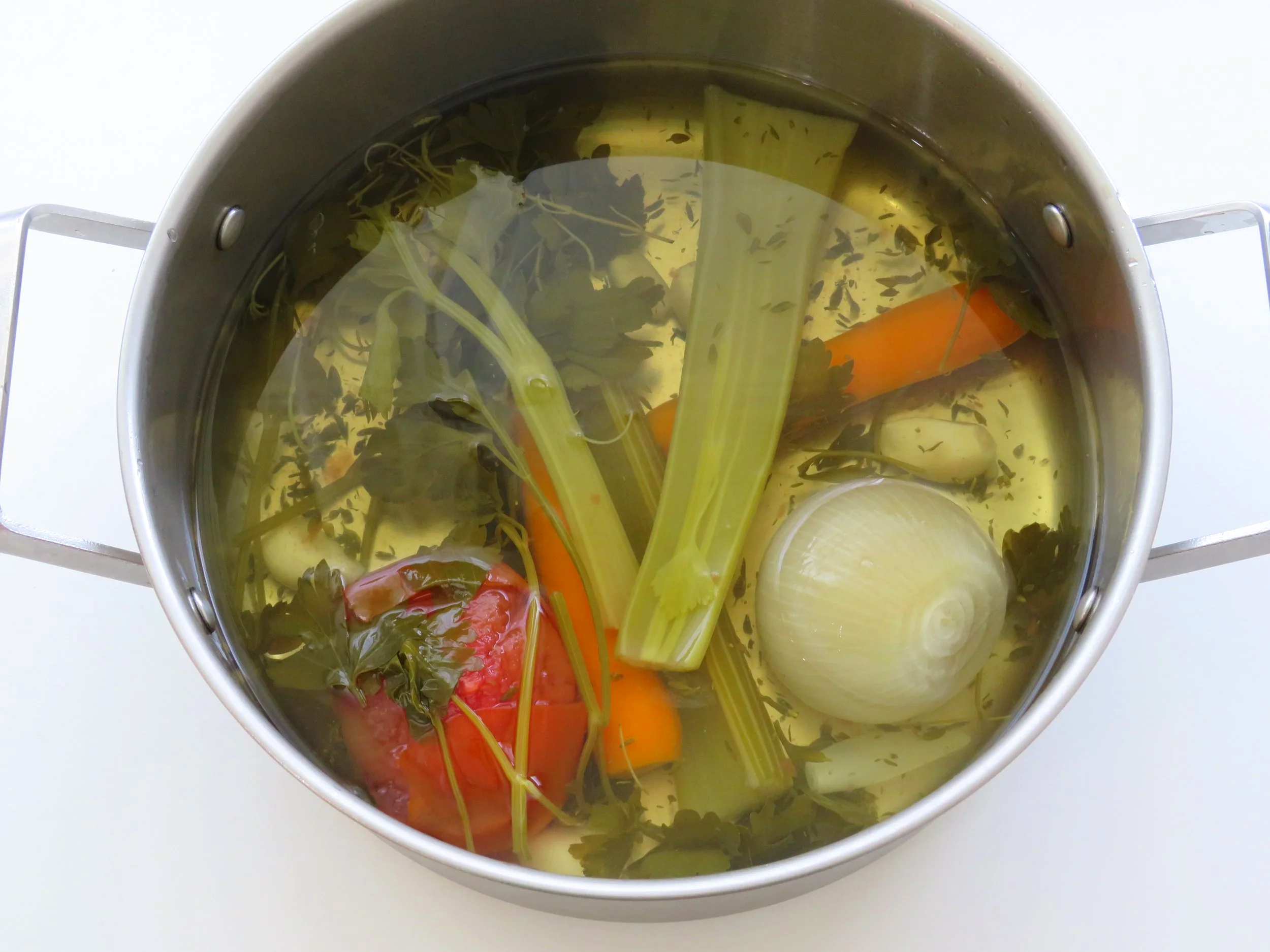
Vegetable stock after cooking
WHAT’S THE DIFFERENCE BETWEEN STOCK AND BROTH?
The main difference between stock and broth becomes apparent when referring to meat stock and meat broth. Though there are also key differences between vegetable stock and vegetable broth too.
For a meat stock, bones are simmered with vegetables and herbs. This creates a thicker, collagen-rich stock with a delicate flavour which can be used as a base for sauces, stews, gravies and rich soups. Thanks to its richer mouthfeel, stock is better at adding body to a dish. It is not meant for consumption by itself, but rather is an all-purpose liquid that you prepare for use in cooking other recipes. Since stock is meant to be used as an ingredient in cooking, it is generally not seasoned, to allow you to instead season the final dish, without having to worry about it becoming too salty.
For a meat broth, you would simmer meat such as chicken, beef or seafood, vegetables and seasonings, creating a thinner, seasoned liquid that can be drunk on its own or used in further cooking such as light soups, stews or for braising. Unlike stock, broth is supposed to be consumed by itself. For this reason it usually has salt and/or seasonings added. If you were using broth as an ingredient in another dish you were cooking, you would use less seasoning to avoid over-seasoning.
For a vegetable stock, much of the above is also true. Of course there are no bones in a vegetable stock so it’s mouthfeel is not very different from that of a vegetable broth, but much like a meat stock, vegetable stock is not meant to be consumed by itself, but is prepared as an all-purpose liquid ingredient for cooking. Therefore, it is unseasoned and mostly utilised as a neutral and delicate base for soups and sauces. Essentially it is flavoured water that is used in place of actual plain water to give more taste to dishes like soups and also grains such as rice and quinoa when used as the liquid that is absorbed during cooking.
For a vegetable broth, the liquid is made more flavourful due to the addition of salt and seasoning, as it is often intended for drinking on its own. Vegetable broth is also usually simmered with a wider variety of ingredients to add more flavour. Just like a meat broth, vegetable broth can be used for further cooking but is generally prepared for immediate consumption, unlike stocks which are prepared specifically for use as a cooking ingredient. For example you might drink a cup of broth by itself, but you would use a cup of stock to add some more flavour to the soup that you are cooking. :)
So now you finally know the difference between stock and broth! Let’s talk about what ingredients are used to make vegetable stock…
WHAT INGREDIENTS GO INTO VEGETABLE STOCK?
The essential core of a vegetable stock are 3 vegetables:
Onion
Carrot
Celery
It is also common to add herbs like fresh parsley and thyme in addition to peppercorns, garlic and tomato.
If you want to make a stock with a more umami or “earthy” flavour, you could also add mushrooms.
You should avoid adding cruciferous vegetables such as broccoli, kale, cabbage or Brussels sprouts to vegetable stock as these become bitter when simmered for long periods and will leave you with a bitter tasting stock.
Starchy vegetables like potatoes are also excluded because they can make the liquid cloudy.
DO I ADD SALT OR SEASONINGS TO A VEGETABLE STOCK?
As mentioned above, stocks are not traditionally seasoned, because they are not meant for consumption as a final dish. They are prepared as an all-purpose cooking liquid for use in adding flavour to other dishes, where using plain water would dilute the taste - a great example being soup. Since they are supposed to be used as an ingredient in another recipe, it is best and easiest to salt and season that final dish, rather than the stock itself.
HOW LONG DOES IT TAKE TO MAKE VEGETABLE STOCK?
It takes just over 1 hour to make this vegetable stock. After you add the ingredients to the pot you simply bring to a boil, then reduce to a gentle simmer and cover with the lid, allowing it to simmer for 1 hour.
HOW LONG CAN HOMEMADE VEGETABLE STOCK KEEP IN THE FRIDGE?
Once your vegetable stock has cooled, you can store it in the fridge in an airtight container for up to 5 days.
If you would like to make a large batch of vegetable stock for use in many different dishes over the coming weeks, you may find it more practical to freeze your vegetable stock, as this will keep it preserved for use for up to 3 months. :)
CAN I FREEZE HOMEMADE VEGETABLE STOCK?
Yes, it's very convenient to make a big batch of vegetable stock and freeze it for future use.
Frozen vegetable stock can last up to 3 months! I like to freeze my stock in recipe sized portions such as 1 cup or 2 cups.
You can easily thaw your frozen vegetable stock by gently heating it over the stovetop right before adding to your recipe!
You must let your stock cool to room temperature before you freeze it. You can transfer it to freezer safe airtight containers for storage, but remember that liquid expands when it freezes! So don't fill the container right to the brim - leave 1 to 2 inches of headspace. You should also label your containers with the date the stock was made so you don't forget! :)
HOW CAN I USE VEGETABLE STOCK?
Vegetable stock is an all-purpose cooking liquid that can be used in many ways to add flavour to different dishes.
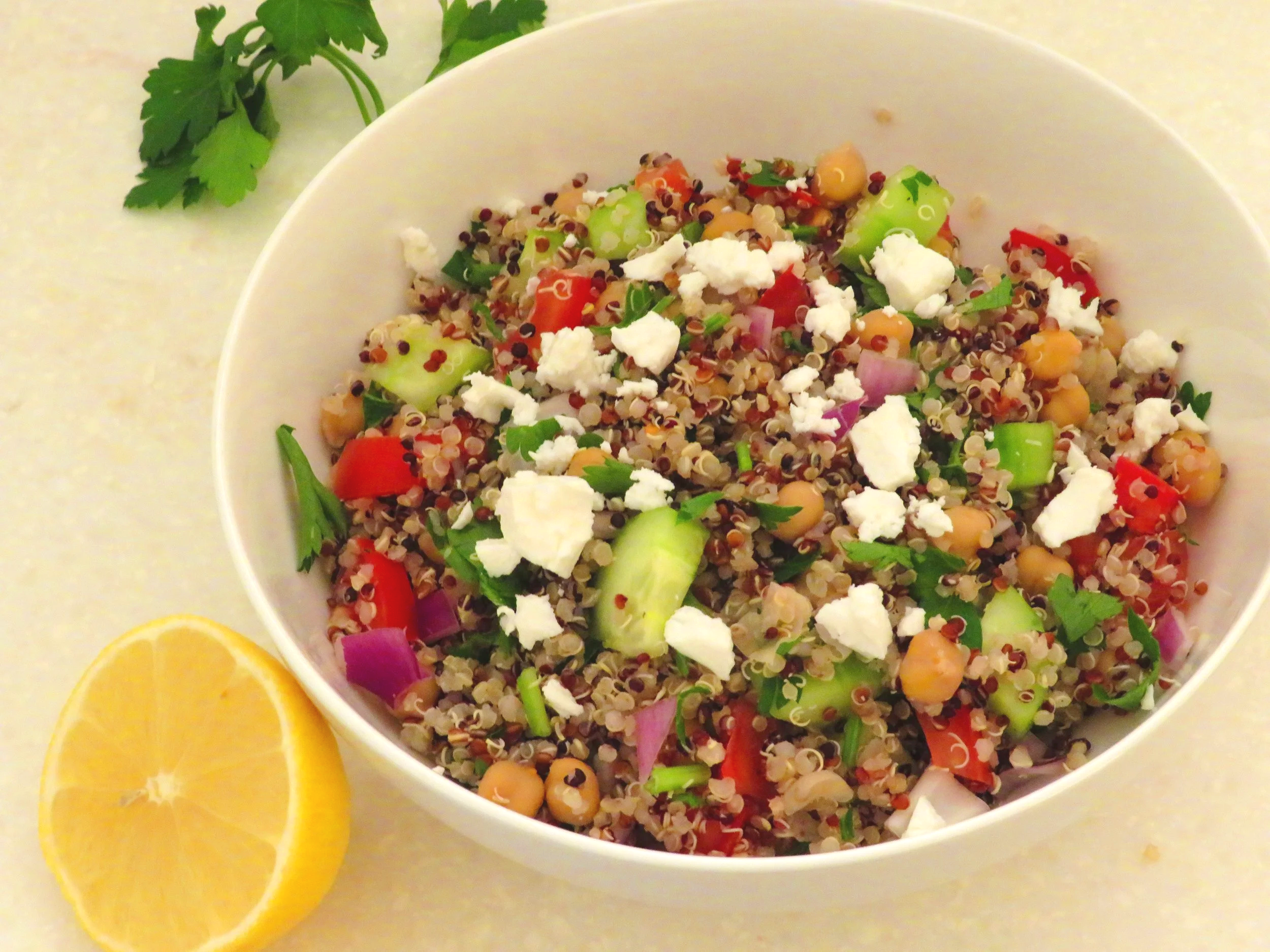
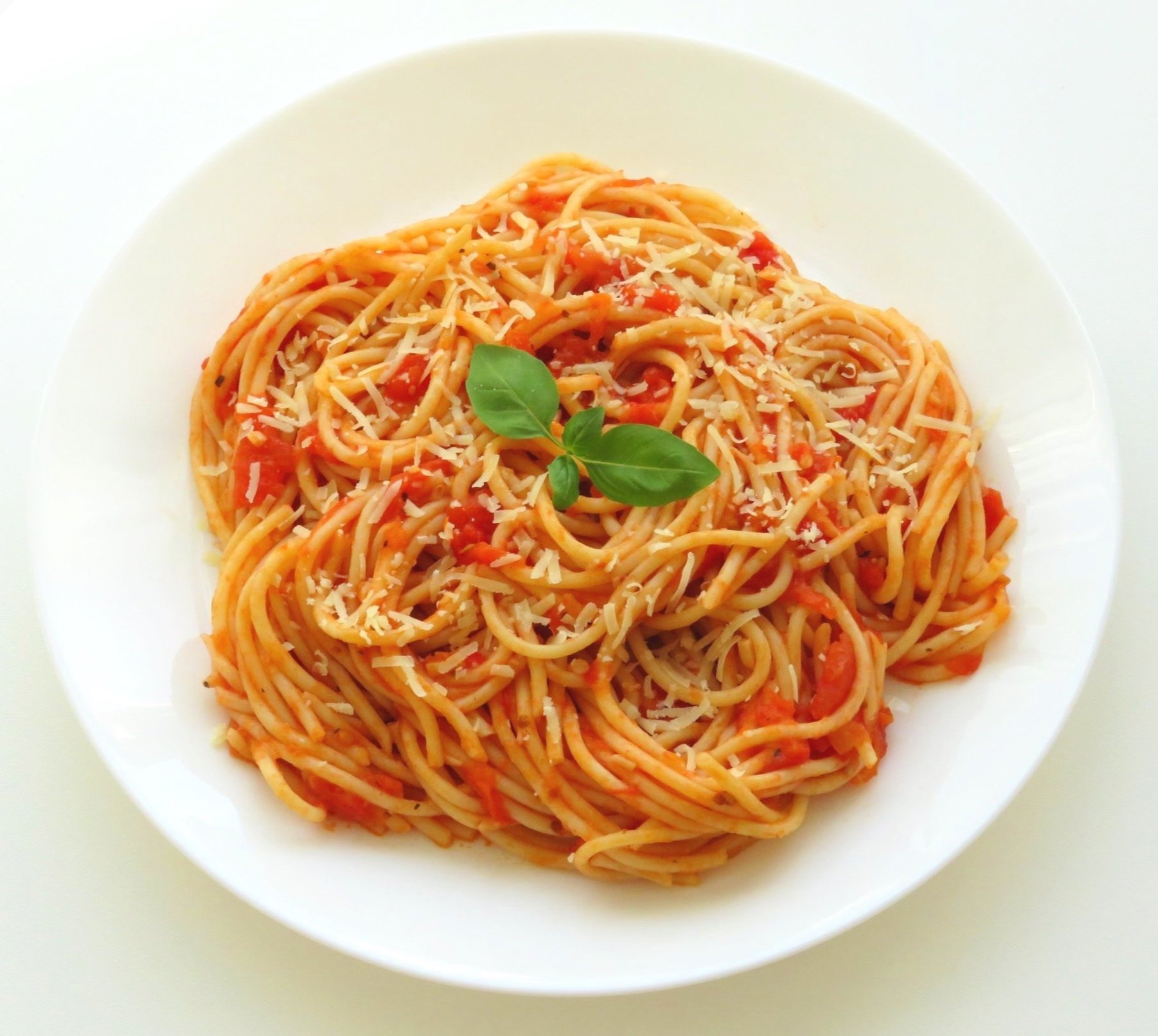
Cooking Grains and Pasta: Instead of using water, you can use vegetable stock to cook couscous, rice, quinoa, pearl barley or pasta. The grains and pasta will absorb the taste of the vegetable stock, adding much more flavour to your dish!
Deglazing: After searing and removing meat or vegetables from a hot pan, you can add vegetable stock to collect and dissolve the caramelised bits stuck to the bottom of the pan that are full of concentrated flavour! You can let the liquid simmer and reduce to create a rich sauce or transfer it into a sauce or gravy you are already making.
Sauces and Gravies: Vegetable stock can add a savoury depth of flavour and is a much better choice than plain water when adding the liquid component of sauces and gravies.
Soups & Stews: Vegetable stock can be used as the flavour base and main cooking liquid when making soups and stews.
Pot Pies: Stocks like vegetable stock and chicken stock can be used in recipes like Vegetable Pot Pie or Chicken Pot Pie when making the rich gravy-like filling.
Risotto: Stock is used as the cooking liquid in risotto which adds flavour and moisture to the rice.
Substitution: Vegetable stock is a perfect substitute for chicken stock if you are out of chicken stock or are making a vegetarian or vegan meal. It can be substituted 1:1!
RECIPE
VEGETABLE STOCK
Yield: 2 - 2.5 litres (8-10 cups)
Time: 1 hour approximately
Difficulty: Easy / Beginner
Save on socials
INGREDIENTS
1 onion, peeled and halved
2 carrots, peeled and tops cut off
3 celery ribs
1 tomato
5 cloves garlic, peeled
1 small bunch fresh parsley, washed
5 sprigs fresh thyme
10-12 cups of water, or enough water to cover the ingredients, plus a few extra inches
1 tsp whole black peppercorns
METHOD
Place all ingredients in a large pot and bring to a boil over high heat.
Reduce heat to a gentle simmer and cover with lid, allowing to simmer gently for 1 hour. After this time has passed, the vegetable stock is ready! If you desire a more concentrated flavour you can continue simmering the stock with the lid off until you are satisfied with the result.
Place a large sieve over a second pot and pour the vegetable stock into the second pot. The sieve will catch the vegetables and herbs leaving behind only a beautiful golden stock. Allow the sieve to drain over the pot for a couple of minutes before removing.
Cool your vegetable stock and then store according to the instructions above. See section “How Long Can Homemade Vegetable Stock Keep in the Fridge” and “Can I Freeze Homemade Vegetable Stock”.
Enjoy using your ready-made stock in soups, stews, risottos, gravies, sauces and more! :)
When you try this recipe…
I’d love to know!
Please leave a comment below and share with me your thoughts on this vegetable stock recipe :)
You Might Also Like to TRY THESE RECIPES NEXT!